What if your power bill could vanish while the planet thanked you?
Thousands of Australian households have discovered something remarkable about their rooftops
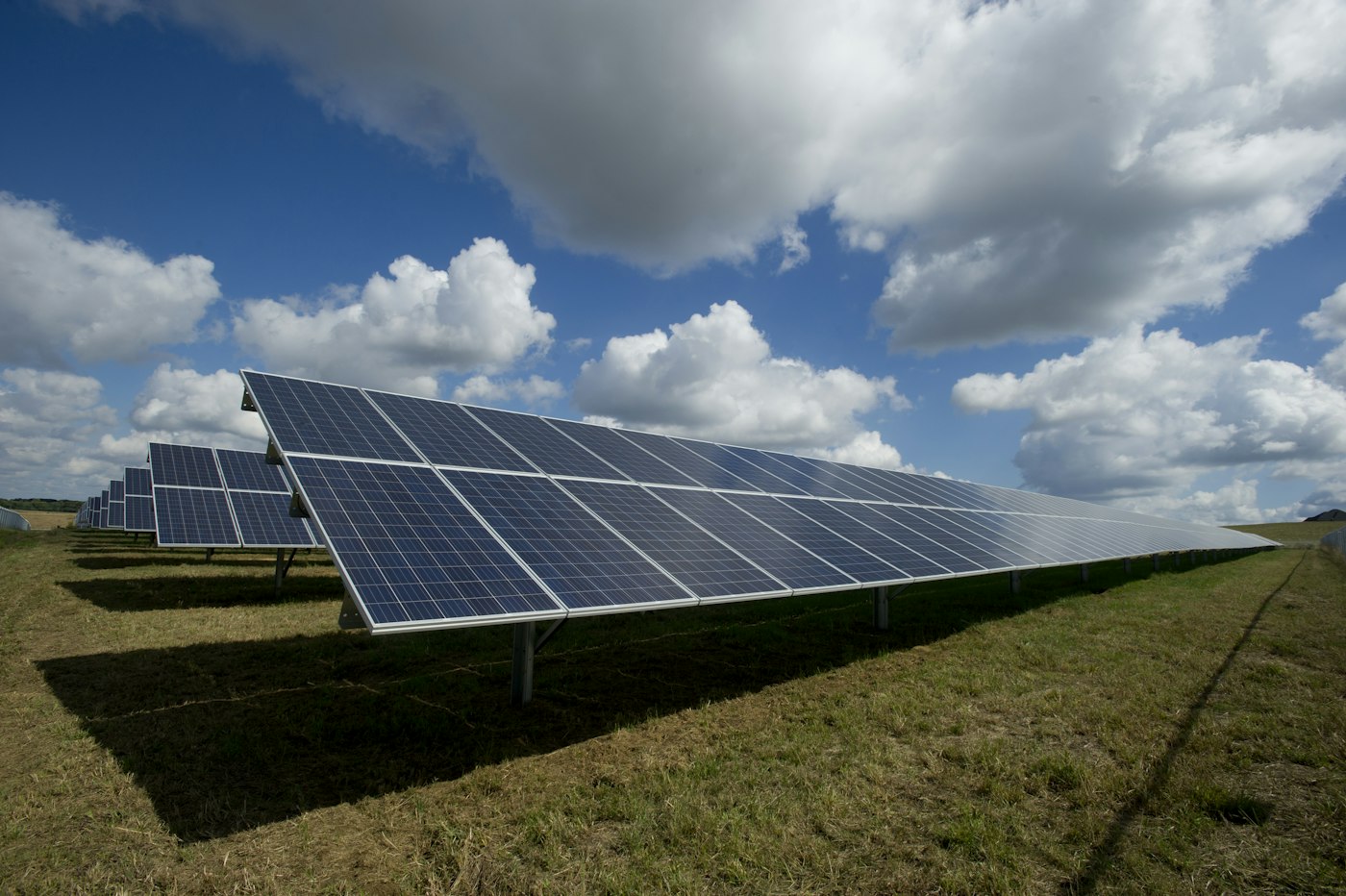
On a sweltering February afternoon in Brisbane, Sarah Mitchell watched her electricity meter do something she'd never seen before.
It was running backwards.
Three months earlier, her quarterly power bill had reached $847. Her air conditioning was barely keeping up with the Queensland heat, and every time she switched on a light, she felt a small jolt of guilt about the cost.
Today, her meter wasn't just stopped. It was actually crediting her account.
The difference? Twenty-four crystalline panels on her roof, silently converting Australia's most abundant resource into clean, free electricity.
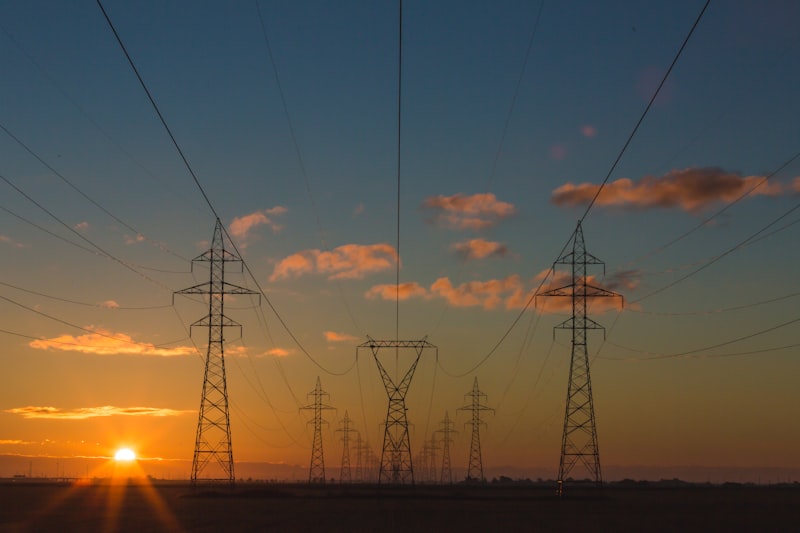
Between 2008 and 2023, electricity prices across Australia increased by an average of 117%. That's more than double.
The average Australian household now spends between $1,200 and $2,400 annually on electricity. For families running air conditioning through summer months, that number can spike beyond $3,500.
Meanwhile, Australia receives more solar radiation per square meter than almost any other continent on Earth. We're sitting on an energy goldmine, yet most homes continue paying premium prices for grid power generated hundreds of kilometers away.
Research published in Applied Energy demonstrates that residential solar installations can reduce household energy costs by 50-90% depending on system size and consumption patterns[1].
Modern monocrystalline panels now achieve conversion rates exceeding 22%, compared to 15% just a decade ago. This means smaller installations generate more power.
Lithium iron phosphate batteries can now store daytime solar energy for nighttime use, with cycle lives exceeding 6,000 charge cycles.
Hybrid inverter systems allow households to prioritize self-consumption, selling excess energy back to the grid during peak demand periods.
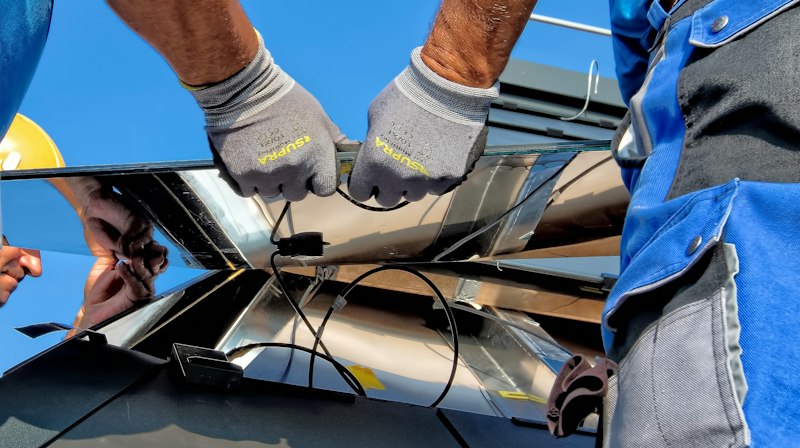
Photovoltaic cells within solar panels contain semiconductor materials that absorb photons from sunlight. This absorption releases electrons, creating direct current electricity.
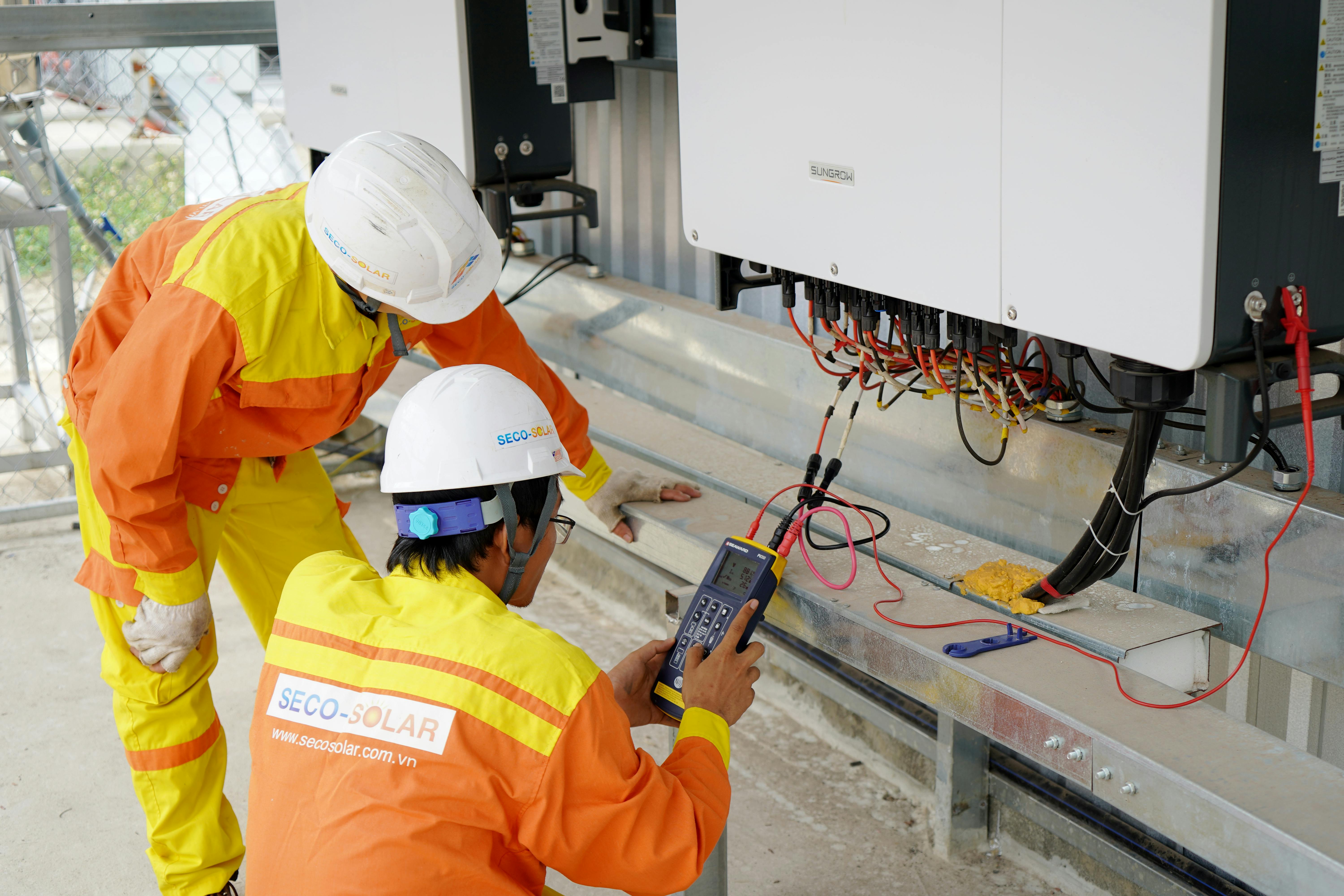
An inverter converts this DC power into alternating current compatible with household appliances and the electrical grid. Modern microinverters optimize each panel individually, maximizing output even when partial shading occurs.
Studies in Renewable Energy confirm that properly oriented solar arrays in Australian climate zones can generate 4.5-5.5 kWh per installed kilowatt daily[2].
When battery storage integrates with the system, surplus energy charges the battery bank rather than exporting to the grid. During evening hours or cloudy periods, your home draws from stored energy first, dramatically reducing grid dependence.
"We installed a 6.6kW system with battery storage in March. By June, our quarterly bill dropped from $680 to $127. The system paid for itself in projections within five years, but at this rate, it'll be closer to four."
"I was skeptical about the upfront cost. Three months later, I'm seeing exactly what the energy audit predicted. My meter runs backward most days, and I'm actually getting credit payments from the retailer."
"The monitoring app shows real-time generation. Yesterday we produced 38kWh and only consumed 22kWh. Knowing we're energy-positive feels incredible, beyond just the financial savings."
Environmental research published in Energy Policy indicates residential solar adoption can support substantial grid decarbonization when deployed at scale[3].
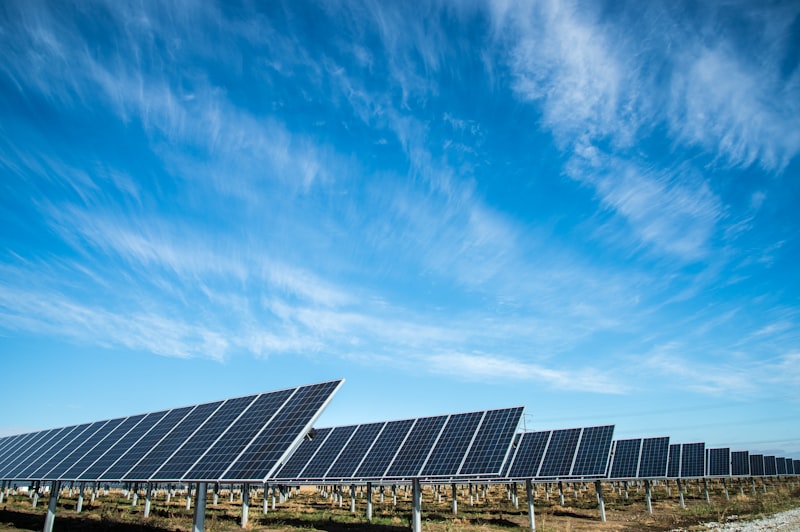
Premium-grade silicon cells offering maximum efficiency and longevity. Black aesthetic integrates seamlessly with modern roof profiles.

Intelligent conversion systems with built-in battery management, enabling both grid-tie operation and energy storage capabilities.
Lithium iron phosphate cells providing safe, long-cycle energy storage for overnight consumption and grid outage protection.
Every roof is different. Sun exposure, pitch angle, shading, and household consumption patterns all affect system design.
Get Your Custom Energy Assessment$4,287
Ideal for smaller households with moderate energy consumption
$11,643
Maximum energy independence with overnight storage capability
$18,976
For larger homes or properties with high energy demands
$385
Professional energy audit credited toward system installation
Share a few details and we'll prepare a customized energy assessment for your property.
Most residential installations complete within one to two days, depending on system size and roof complexity. The process includes panel mounting, inverter installation, electrical connections, and final grid approval.
Systems without batteries draw from the grid during low-production periods. Battery-equipped systems use stored daytime energy first, significantly reducing grid dependence even during extended cloudy periods.
Australia offers Small-scale Technology Certificates (STCs) that reduce upfront costs. State-based programs may provide additional rebates or interest-free financing. Incentive availability varies by location and installation date.
Minimal. Most systems benefit from occasional cleaning to remove dust and debris. Annual inspections can verify optimal performance, though modern panels typically operate maintenance-free for decades.
The information provided on this website is for educational purposes and should not be considered as professional financial or technical advice. Solar energy system performance can vary based on geographic location, installation quality, weather patterns, and individual consumption habits. Results referenced are based on specific case studies and may not reflect outcomes for all installations. We recommend consulting with certified solar professionals and conducting thorough energy audits before making installation decisions. Product warranties and performance guarantees are subject to manufacturer terms and conditions.